Fystack is now ISO/IEC 27001:2022 certified.
Back to Blog

Open source Fystack Ignite: Self-host digital asset custody platform with one command line

Thi Nguyen

Thi Nguyen

Author

October 9, 2025
1 min read

Founder

Open source Fystack Ignite: Self-host digital asset custody platform with one command line
Fystack Custody MPC architecture

Why Self-Hosted Digital Asset Custody Matters?

Digital asset custody is fundamentally about trust. As MPC Wallets become the Critical Infrastructure for Enterprise-Grade Web3 Security, having full control and transparency over your custody infrastructure is critical.

While enterprise solutions like Fireblocks, BitGo, and Cobo are reliable (see our detailed Fystack vs. Fireblocks Comparison), they operate as black boxes. You never truly know how they work internally. On top of that, their proprietary systems create vendor lock-in, and as your transaction volume and wallet count grow, so do the costs.

That’s why we’re introducing Fystack Ignite, a simple one-command shell script that helps teams launch a self-hosted digital asset custody platform with one command line. It’s designed for developers who want hands-on experience with MPC wallets and enterprise-grade crypto custody without vendor lock-in.

Why this is necessary?

  • Understand the Fystack architecture hands-on with all core components running
  • Set up your local development environment quickly without manual service configuration
  • Test and explore MPC wallet features on testnet before production deployment
  • Evaluate a self-hosted custodial solution before deploying to production, ensuring it meets 2026 Regulatory Compliance Requirements.
  • Perfect for Fintech companies moving on-chain who need to audit infrastructure internally.


Check out: https://github.com/fystack/fystack-selfhost-scripts
All you need is running the following comamnd

Shell
$ ./fystack-ignite.sh

It takes less than a minute to self-host a full-fledged custody platform across multiple blockchains - Ethereum, Solana, Tron, BSC, Polygon, Aptos, and more.

Walkthrough video:
Share this post

Related Posts

Continue reading with these related articles

Build vs. Buy Stablecoin Wallet Infrastructure: What Fintechs Should Consider
Stablecoins

Build vs. Buy Stablecoin Wallet Infrastructure: What Fintechs Should Consider

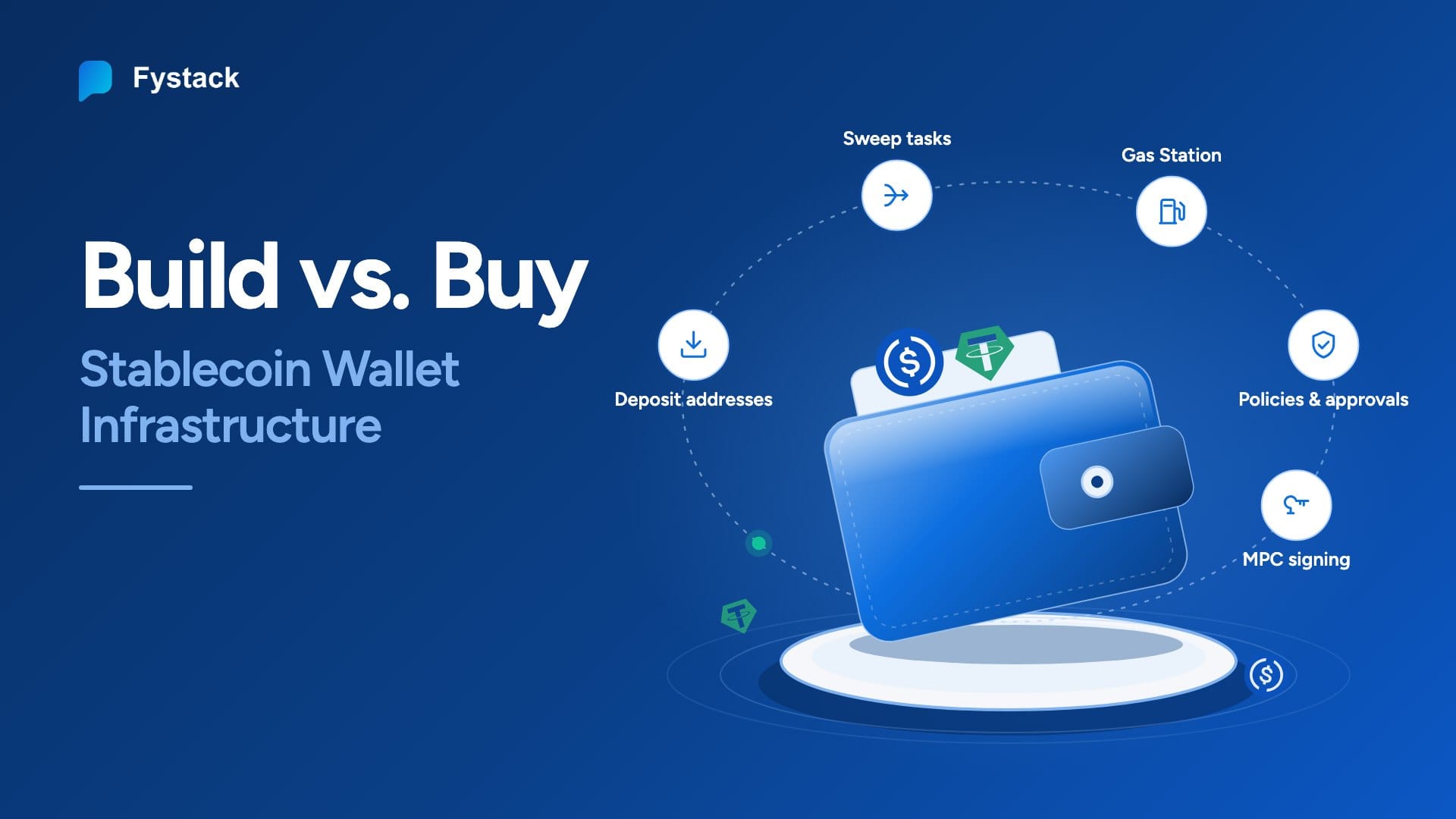
Every stablecoin ramp, payment gateway and OTC desk needs wallet infrastructure to receive, store and move customer funds. But building and operating that infrastructure comes with security, engineering and operational costs that are easy to underestimate. In July 2025, Indian crypto exchange CoinDCX lost approximately $44 million from a single internal operational account. The company absorbed the loss using its own reserves, as TechCrunch reported. For fintechs launching stablecoin payment r

November 23, 2026
5 min read
Stellar MPC Wallet Update: Social Login, Workspaces and Payment Approvals
Engineering

Stellar MPC Wallet Update: Social Login, Workspaces and Payment Approvals

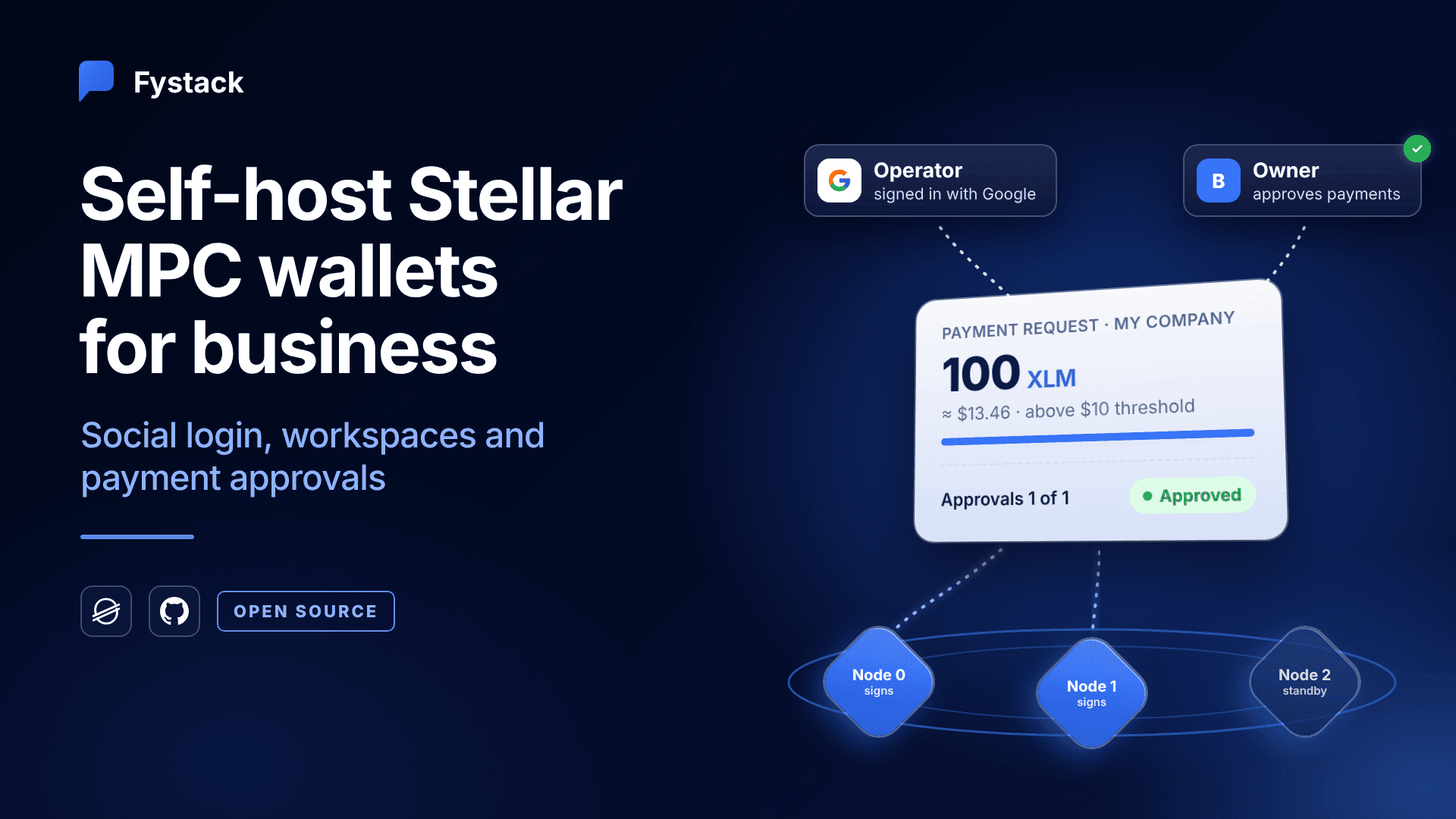
The open-source Stellar MPC wallet now supports Google and GitHub sign-in, shared team workspaces with roles, and USD-based payment approvals that run before the MPC nodes sign.

November 21, 2026
5 min read
Nigeria's CBN Stablecoin Rules: Licensing and Compliance Steps for Operators
Compliance

Nigeria's CBN Stablecoin Rules: Licensing and Compliance Steps for Operators

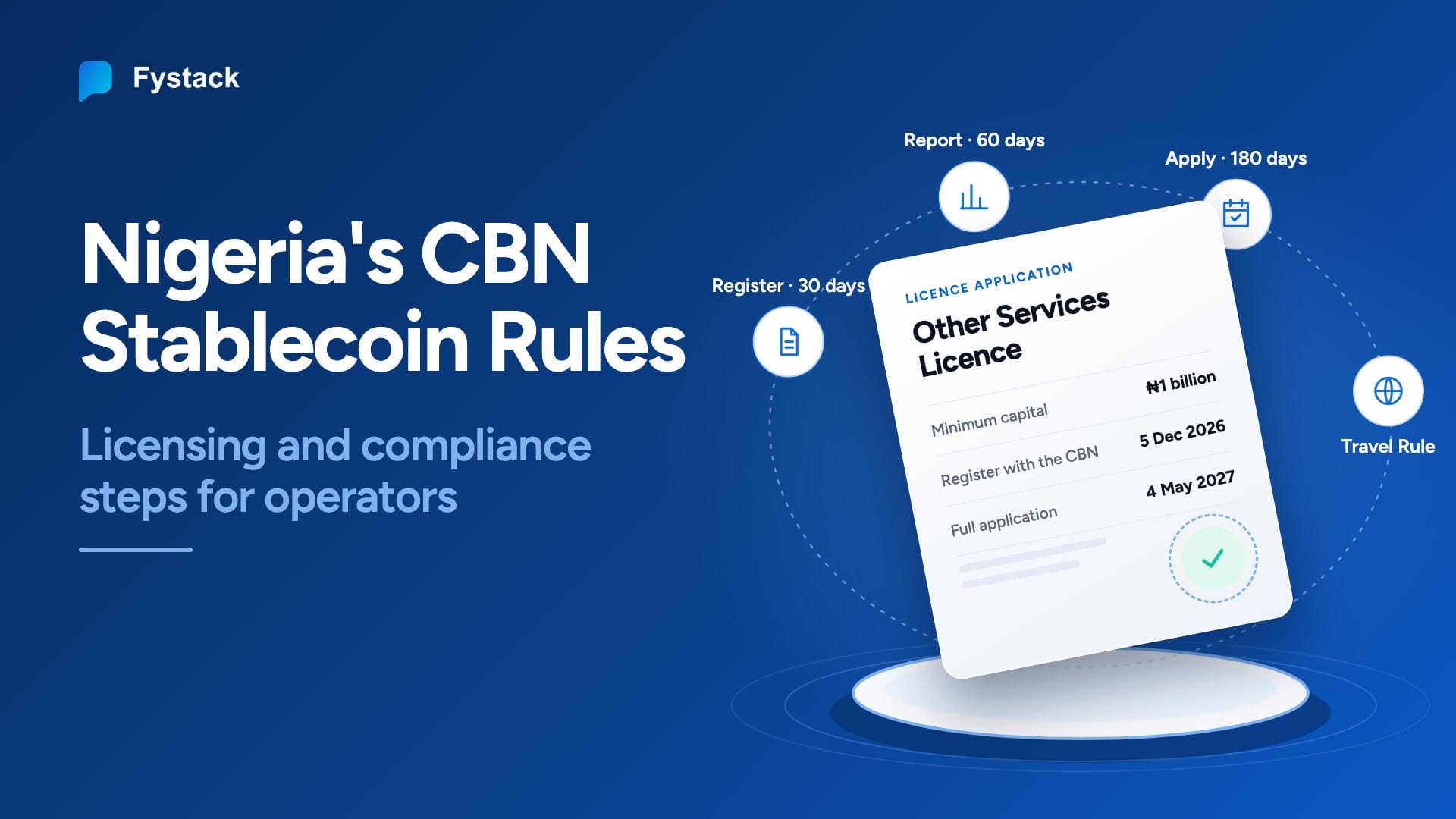
⚠️This article is for informational purposes only and does not constitute legal advice. Operating a stablecoin ramp, payment gateway or wallet service in Nigeria without the required Central Bank of Nigeria (CBN) approval can attract a minimum fine of ₦100 million, plus ₦1 million for each day the breach continues. The penalty comes under the CBN's Regulations for the Operations of Non-Security Virtual Assets in Nigeria, effective 5 November 2026. Existing operators have 180 days to obtain th

November 19, 2026
4 min read