Why 99% of Web3 Consumer Products Fail Before They Even Reach Their First 10,000 Users

There’s one principle every company entering Web3 must remember:
“Your content team should never have to work harder than your infra team.”
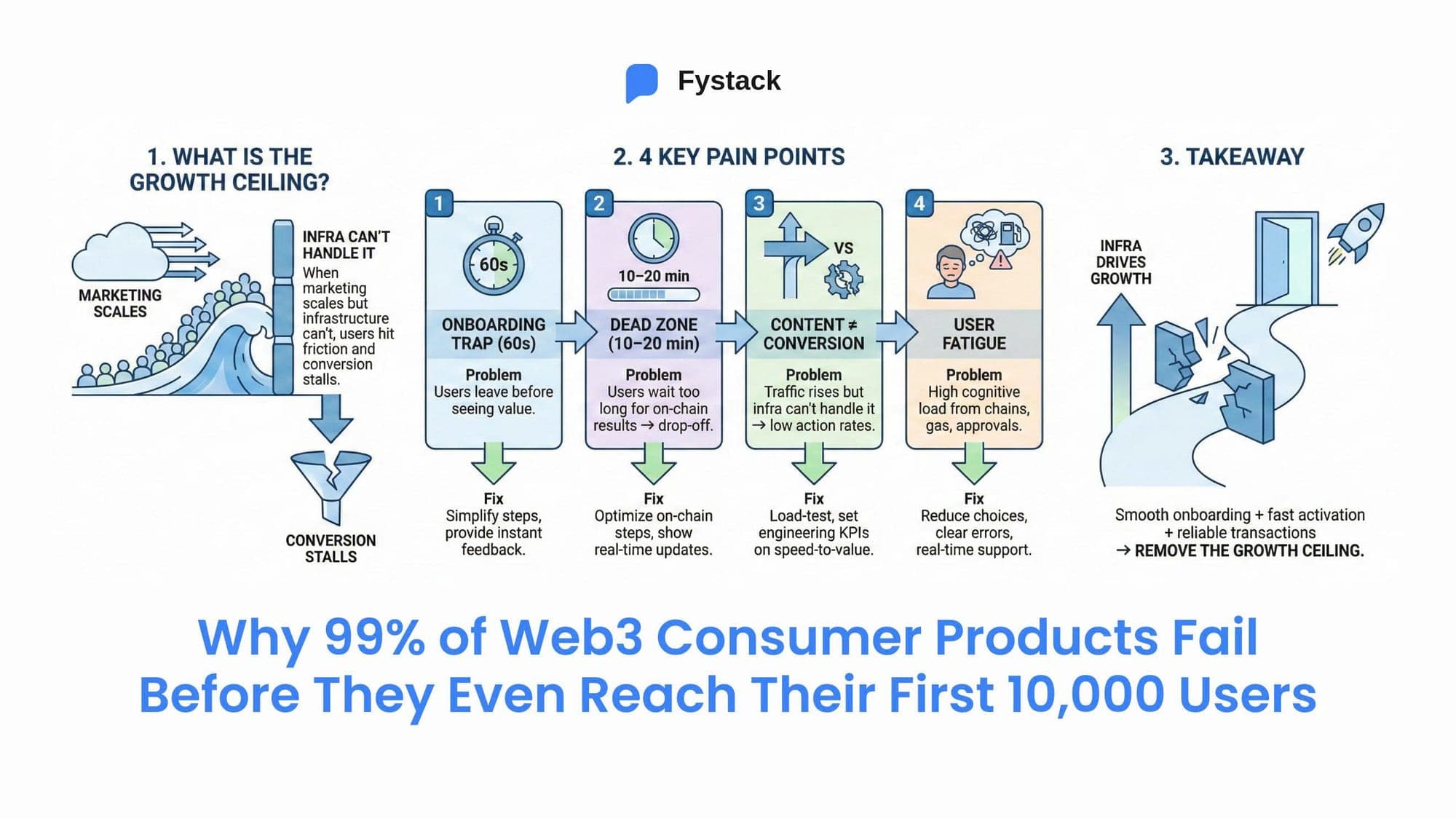
A company can hire a full content team, run half-million-dollar ad campaigns, produce hundreds of tutorial videos, and publish dozens of posts every single day. But if the Web3 infrastructure underneath can’t handle real-world load - or if the user experience breaks at the very first step - all of that effort gets squeezed by an invisible barrier: the Growth Ceiling.
The Growth Ceiling appears when your marketing can scale but your infrastructure cannot, and users hit subtle friction you never see in analytics.
Paul Thomas - Somnia founder used to posted:
People say we need to educate users on how to use web3.
— paul.somi (@0xPaulThomas) June 3, 2025
Words like gas, bridging are things we created that get in the way of the user experience.
Users want to go to an app have fun/get something done. Not learn a whole new set of terms.
Web3 must become transparent to scale pic.twitter.com/FKNjKCxBqd
What’s more concerning is that this ceiling almost always comes from decisions made at the very beginning: wallet setup, key-management architecture, signing flow design, unreliable RPC providers, weak transaction-processing backends, slow indexers, or a fragmented wallet infrastructure stack. These are exactly the technical bottlenecks that limit the scalability of stablecoin, RWA, and on-chain applications.
If you want to explore how enterprises can implement a robust wallet infrastructure from day one, check out Fystack’s guide The New Standard in 2025: Self‑Hosted MPC Wallet Infrastructure. It explains how MPC-based solutions remove single points of failure and accelerate scalable product launches.
This article is written for Web3 companies and for traditional enterprises expanding into stablecoins, RWAs, on-chain loyalty, or other real-world blockchain applications in 2025–2026. As adoption grows, choosing the right infrastructure stack becomes the determining factor between a product that scales, and a product that stalls at the very first user onboarding step.
Here’s what this piece will cover:
- Why Web3 infrastructure creates the Growth Ceiling
- The four major pain points that 90% of Web3 teams experience
- Why applying Web2 growth frameworks to Web3 leads to failure
- When a company should invest in infrastructure (and what a “reasonable” investment looks like)
- Why wallet infrastructure ultimately determines the scalability of any Web3 product whether self-hosted or provider-powered
4 Common Pain Points That Trap Web3 Companies Under the “Growth Ceiling”
Before exploring actionable solutions, it’s important to understand the critical mistakes most Web3 and enterprise blockchain teams make early on. Recognizing these pitfalls can save tens of thousands of dollars in lost growth and wasted marketing spend.
Unlike Web2, every meaningful user action in Web3 is tied to an on-chain transaction. A single bottleneck - onboarding, signing, approval, or infrastructure reliability - can collapse the entire funnel.
A clear example is Axie Infinity. The team initially faced a notoriously complex onboarding flow: up to 60 steps, nearly 2 hours to complete, and an entry cost of around $1,000. Many users dropped off long before reaching gameplay.

But friction wasn’t the biggest hit to growth. The real ceiling came from an infrastructure security failure: the Ronin hack in March 2022. The breach stole $625M, froze bridge withdrawals, and dropped Axie’s DAU by 45% from 1.48M to 588K within 3 months.
Sky Mavis later simplified onboarding by integrating Ramp Network, cutting the flow to 19 steps and ~12 minutes, introducing free starter Axies, and launching Ronin Wallet. Onboarding improved dramatically, but trust damage from the earlier infrastructure weaknesses continued to suppress growth.
To understand the broader lessons from crypto hacks and why secure key management is non-negotiable, Fystack’s post Top Crypto Hacks of 2025: Why We Still Fail to Protect Digital Assets breaks down how technical vulnerabilities translate into massive real-world losses.
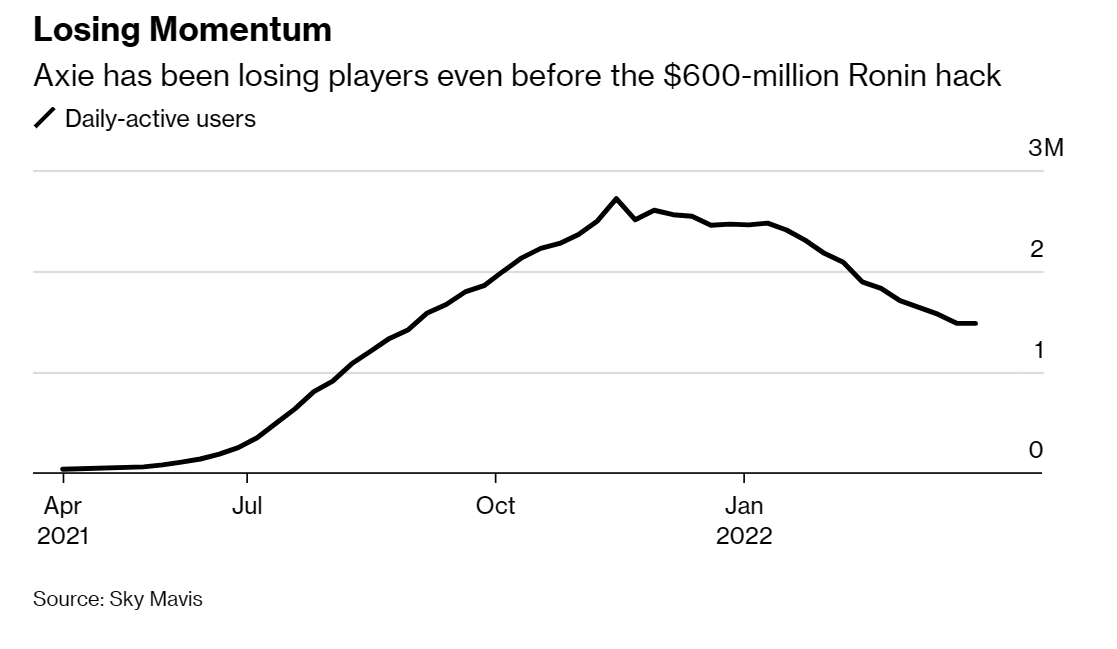
Axie Infinity is not an outlier - most Web3 teams face similar chokepoints. Across hundreds of on-chain products, these four recurring pain points consistently create the 'Growth Ceiling,' a trend confirmed by 2025 reports from WEPIN, Magic.link, and Web3Onboard:
1) The 60-Second Onboarding Trap
Users leave before they even get into the product
In Web2, users can sign up with an email or Google account in just a few seconds. In Web3, onboarding is the first and biggest barrier.
A user who just wants to “try the product” often has to go through multiple steps: connect wallet, sign once or twice, switch network, approve a transaction, wait for RPC response, and then refresh the interface to see results.
The problem is that new users do not understand why they need to do so many steps, and they do not see value fast enough to keep going.
Even a single slow or confusing step can make them leave immediately. That is why most Web3 products report that 70% of users drop off at the “Connect Wallet” step.
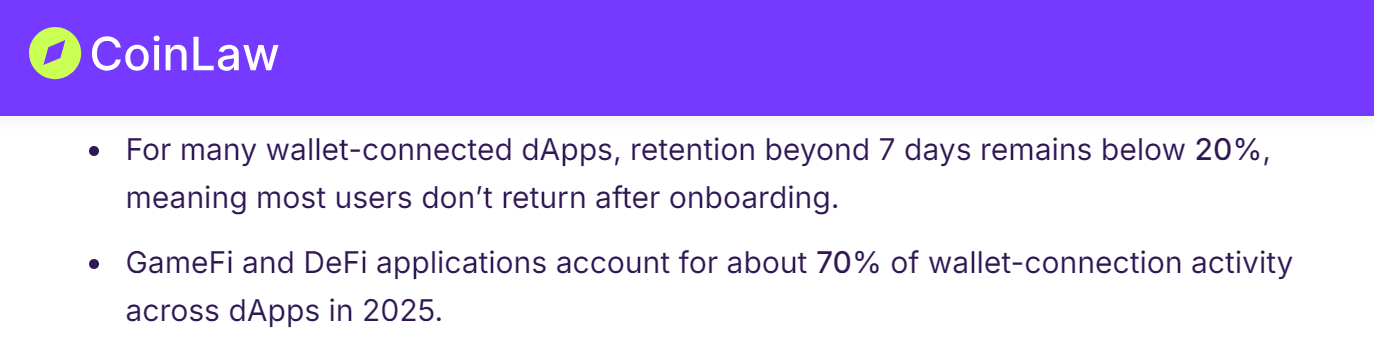
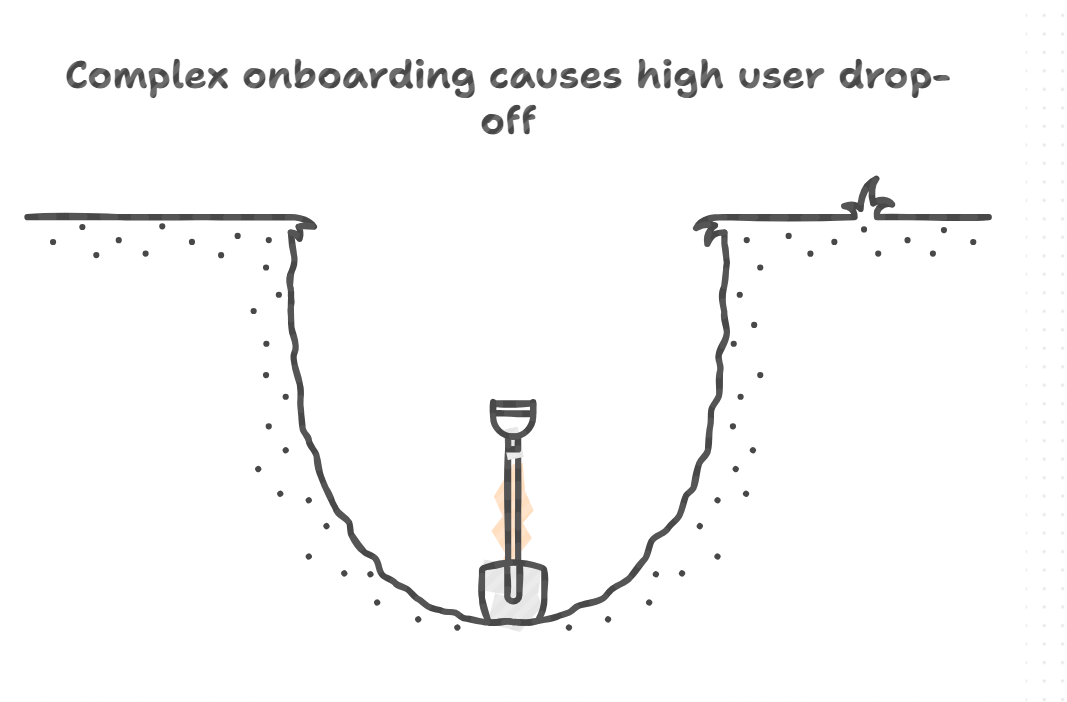
Signs you are trapped in onboarding
- More than 45 seconds pass from first click to meaningful result
- Users report “I signed but nothing happened”
- High traffic but very few users complete the first step
How to improve onboarding effectively
The easiest way to increase conversion is to review the user journey from the perspective of a complete newcomer:
- Reduce the number of signing steps and combine steps where automation is possible
- Use optimistic UI to show immediate feedback on user actions
- Prioritize private or high-speed RPCs to reduce latency
- Test ultra-minimal onboarding flows with small user groups
The goal is not to make onboarding “pretty,” but to let users see their first value in under 60 seconds. Achieve this and the rest of the funnel naturally improves.
2) The 10 to 20 Minute Dead Zone
Users get into the product but do not see value quickly enough
Activation is different from onboarding. Onboarding helps users “get through the door,” while activation is the moment they experience real product value.
In Web3, activation usually involves heavy on-chain steps such as bridge, approve, mint, data indexing, or wallet synchronization. Each step has a delay, and combined, users may wait 10 to 20 minutes before seeing their first result.
This period creates a “Dead Zone” where users have nothing to see, nothing to do, and nothing to keep them engaged.
The outcome is clear: even after completing onboarding, users leave, and Day 1 retention drops below 15%.
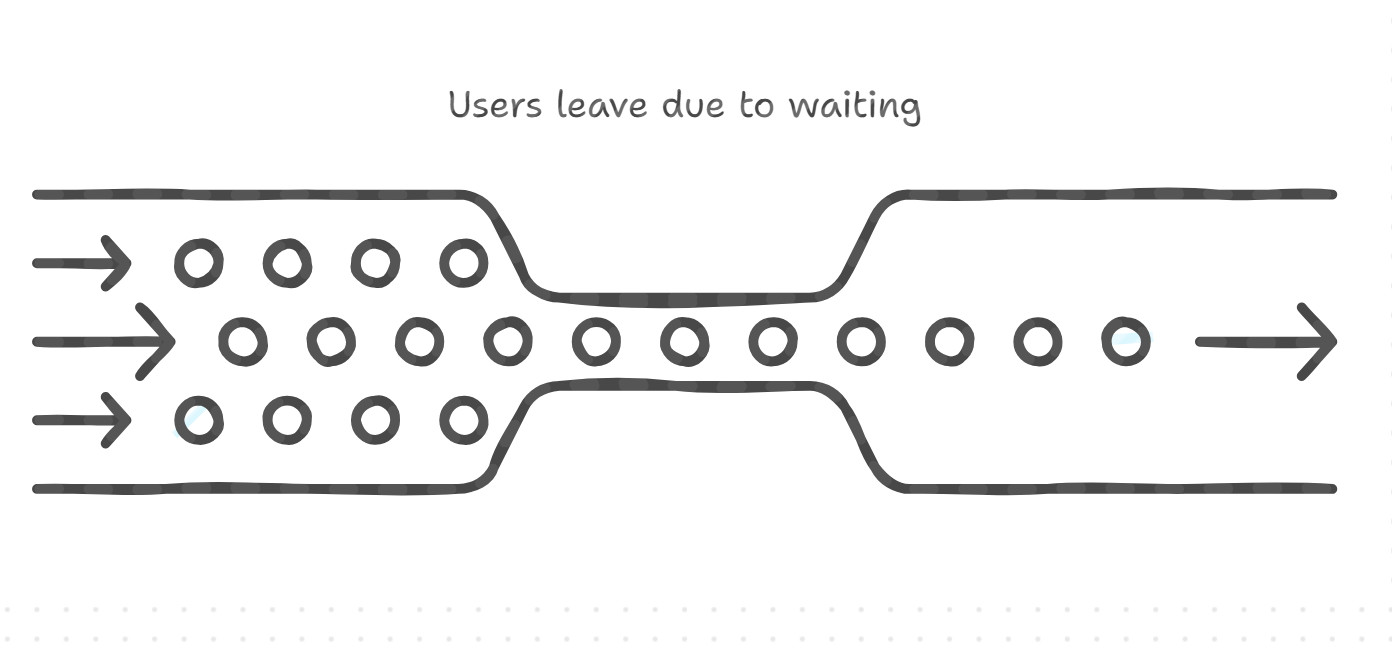
Signs you are stuck in the Dead Zone
- Users complete the flow but drop off before seeing results
- On-chain data updates slowly, so the UI does not display in time
- Users ask: “Is my mint finished?”, “Why isn’t my NFT showing?”, “Why is the bridge taking so long?”
How to escape the Dead Zone
The key is to reduce “waiting without knowing what you are waiting for”:
- Simplify on-chain steps in the critical user journey
- Give users immediate success signals using optimistic updates
- Use webhooks or real-time monitoring to push transaction status to the UI
- Minimize reliance on slow indexers or public RPCs
Activation does not need to be perfect. It just needs to be fast enough for users to feel: “Okay, this product actually works and I am making progress.”
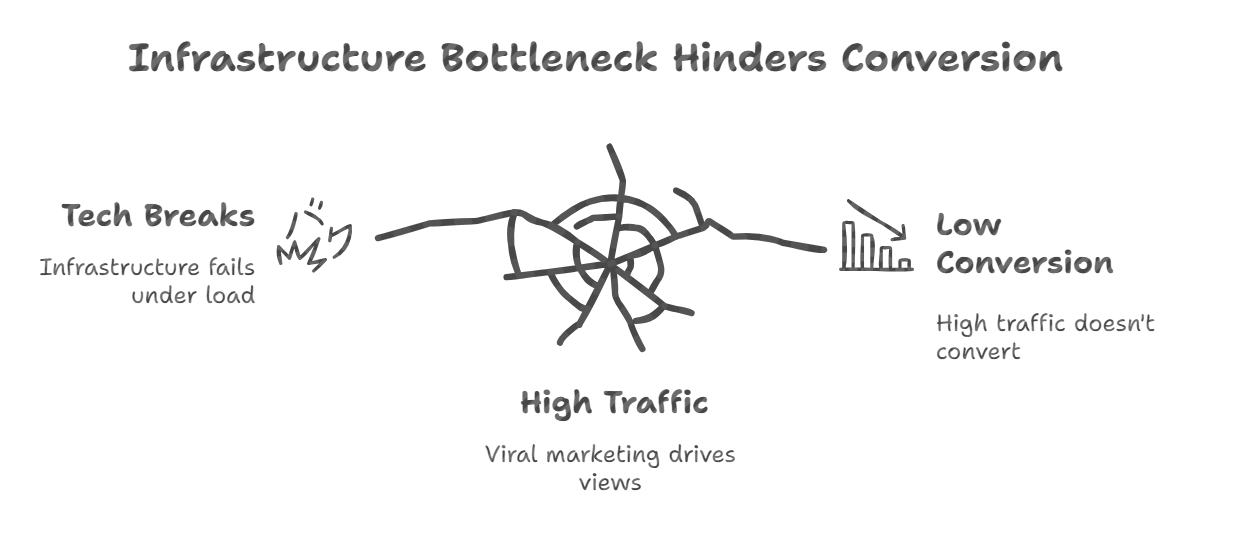
3) When Content Scales but Infrastructure Does Not
High views but low conversion because UX cannot handle real traffic
A common mistake in Web3 is believing that “good content alone will bring users.”
Content can drive traffic, but traffic is just a promise. Infrastructure is what turns that promise into real value.
When viral campaigns bring many users to the product, all infrastructure issues are exposed immediately: overloaded RPCs, slow indexers, backend timeouts, incompatible wallets, or stuck signing flows.
At this point, the content team can produce ten more videos, twenty more posts, or run half-million-dollar ads, but the funnel will not convert because UX cannot turn traffic into results.
This is why many Web3 startups experience:
- High views but low monthly active users
- Users visit the product page but do not perform meaningful actions
- Marketing blames content while the real problem is infrastructure
Signs of a content bottleneck
- Viral campaigns have unusually low action rates such as mint, swap, or claim
- Increased traffic leads to higher support tickets due to technical issues
- Roadmap delays as engineering fixes infrastructure instead of building new features
How to break free from marketing being throttled by infrastructure
Before every growth campaign, ask yourself:
“If 10,000 users try the product at the same time, can our infrastructure handle it?”
Some sustainable improvements:
- Load test infrastructure before launching campaigns
- Set engineering KPIs around time-to-value, not just feature release
- Optimize CTAs to set correct expectations: “Try now, results under 60 seconds”
- Allocate 20 to 30 percent of growth budget to infrastructure, as Web2 enterprises always do
With solid infrastructure, content no longer needs to “compensate for UX.”
With weak infrastructure, even perfect content cannot save conversions.
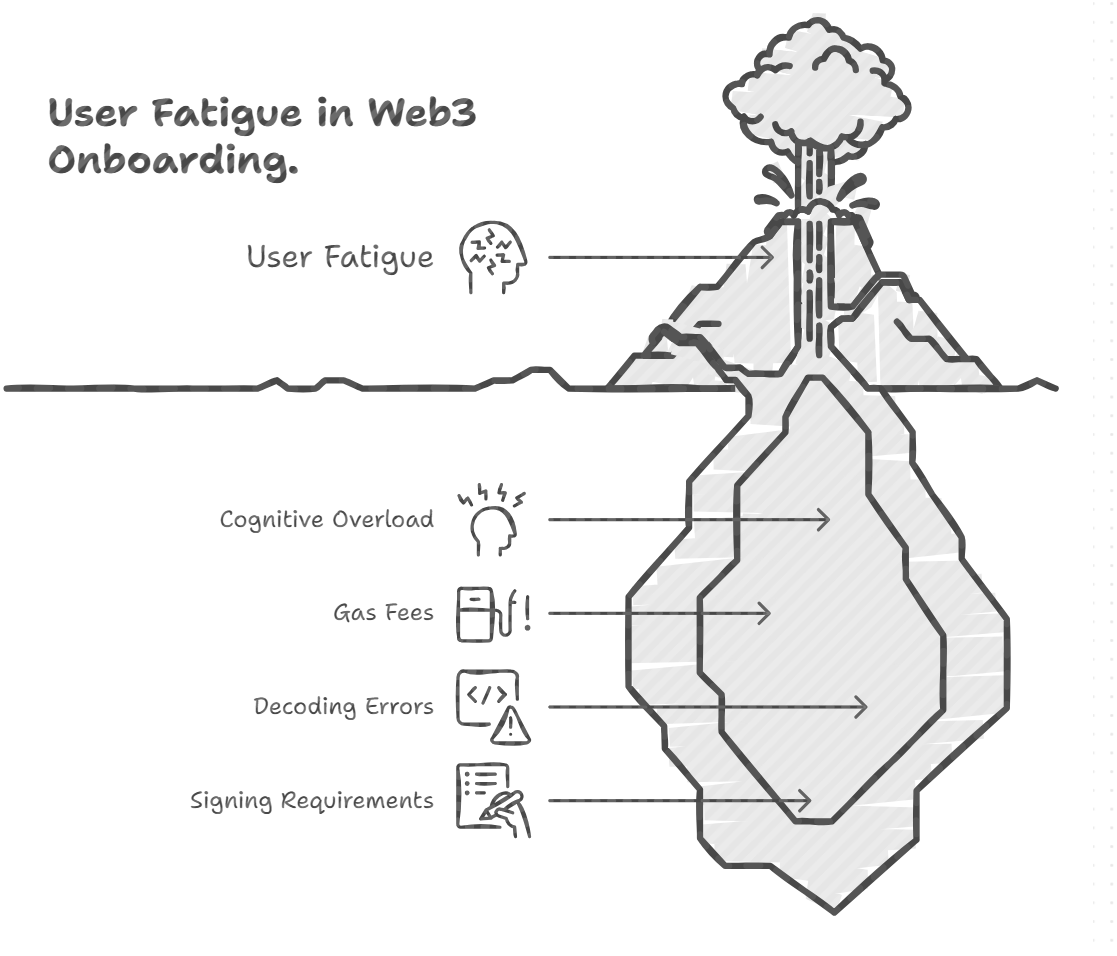
4) Users Don’t Leave because They Hate the Product - They Leave because They Are Tired
The biggest problem in Web3 is not that users do not understand, it is that they are too exhausted to keep trying
In Web3, users carry a high cognitive load: choosing the right chain, paying gas fees, confirming transactions, decoding errors, understanding approvals, and realizing why the wallet asks for a third signature.
This exhausts users, not because they dislike the product, but because they do not have enough energy to continue.
Cognitive load outweighs incentives.
Even if you offer airdrops, NFTs, or high APY stakes, users will leave if they are “overloaded” during interaction.
Signs the product is tiring users
- Users try the product once or twice then stop
- Retention drops despite strong incentives
- Complaints about transaction failures, gas fees, or confusing wallet errors
- The journey requires too much reading, too many choices, or too many signatures
How to reduce user fatigue
Make the product as “light-brain” as possible:
- Reduce unnecessary choices: chain, token, fee, wallet type
- Show gas fees upfront and provide alerts when fees spike
- Write error messages that are specific and contextual instead of generic
- Choose default wallets that match user profiles (GameFi vs DeFi vs newbie)
- For large campaigns, provide real-time support during the first 24 hours to reduce friction
When cognitive load decreases, users not only return more often, they also invite friends. Web3 growth often depends on reducing user fatigue by just 20 percent.
Key Infrastructure Considerations when Building a Web3 Product
If onboarding delays, long activation times, content bottlenecks, and user fatigue created the Growth Ceiling, the root cause is often invisible: Web3 infrastructure. Every friction point we just discussed - users dropping before they connect their wallet, waiting 10–20 minutes to see results, content failing to convert, or users giving up because the experience is exhausting - traces back to gaps or complexity in the underlying system.
Enterprises are eager to expand into stablecoins, RWA tokenization, and other on-chain products. Their goals are clear: optimize payments, increase transparency, and unlock new revenue streams. But as soon as they start building, they hit a wall.
For a deeper dive into the stablecoin and on-chain payment landscape in Southeast Asia, see Fystack’s article Why banks should fear stablecoins?. It illustrates why infrastructure readiness is crucial for any enterprise aiming to scale digital payments or tokenized assets.
Unlike Web2, where onboarding and transactions are mostly off-chain and fast, Web3 requires every interaction to traverse multiple technical layers. Slow nodes, unreliable RPCs, lagging indexers, non-scalable backends, or fragmented wallet stacks can all amplify friction - even before a user sees any value.
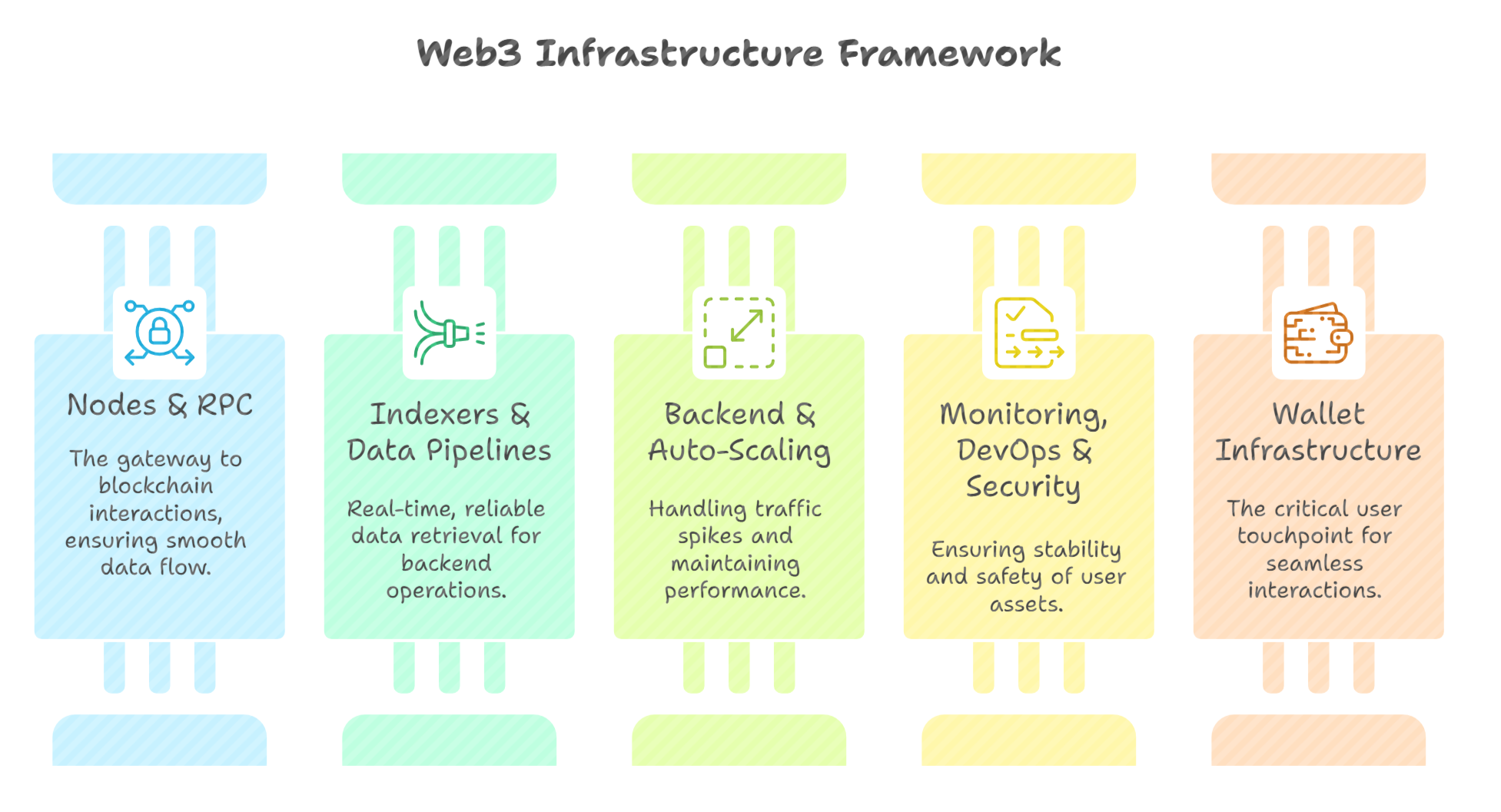
1. Nodes & RPC: The Gateway to Blockchain
Every on-chain interaction, from sending transactions and checking balances to minting NFTs, passes through nodes and RPC endpoints. In reality, slow or unstable nodes cause transaction timeouts, delayed data updates, and incorrect token states. This directly impacts the user experience and can frustrate users from the first interaction.
Practical Solutions:
- Self-hosted nodes: Full control, ability to manage sync, backups, and high availability, but resource-intensive and requires skilled DevOps.
- Managed RPC services (Infura, Alchemy, QuickNode): Quick deployment, high SLA, reduced operational overhead, but request limits and scaling costs must be considered.
- Dev best practice: Implement retry logic, caching layers, and fallback nodes to minimize user-facing errors.
2. Indexers & Data Pipelines: Real-Time, Reliable On-Chain Data
Many developers assume the backend can query the blockchain directly. In practice, direct queries are slow, prone to timeouts during traffic spikes, and can lead to inconsistent data. Indexers and pipelines allow the backend to retrieve on-chain data efficiently and reliably from balances and transaction histories to mint and swap statuses.
Practical Solutions:
- Use managed indexer services like TheGraph or SubQuery for quick, reliable data access.
- Self-host an indexer for full control, keeping in mind the additional DevOps and resource requirements.
- Store snapshot data in a database to reduce load on direct on-chain queries and improve response times.
3. Backend & Auto-Scaling: Handling Traffic Spikes
The backend handles more than business logic. During traffic surges or heavy batch jobs, it can become a bottleneck, leading to lag or crashes. Many projects fail not because of frontend or smart contracts, but because backend infrastructure can’t keep up.
Practical Solutions:
- Implement queue + worker models (e.g., RabbitMQ, Kafka) to process batch jobs asynchronously.
- Use auto-scaling containers (Kubernetes HPA) and caching layers (Redis, memcached) to maintain performance.
- Monitor with logging and metrics to detect bottlenecks early.
4. Monitoring, DevOps & Security: Maintaining Stability and Safety
Web3 directly involves user assets, so monitoring, DevOps, and security are non-negotiable. Node failures, RPC errors, or backend overload can trigger cascading failures that affect many users.
Practical Solutions:
- Set up 24/7 monitoring and alerting (Prometheus, Grafana, PagerDuty) to catch issues early.
- Maintain strict environment separation: dev, staging, and production.
- Implement backups and disaster recovery for nodes, databases, and indexers.
- Follow security best practices: API rate limiting, key management, and audit logs.
5. Wallet Infrastructure: The Critical User Touchpoint
The wallet is the first point of interaction for users. Everything - connecting, signing transactions, swapping, checking balances - depends on wallet infrastructure. A poorly designed wallet experience can lead to drop-offs even if your product has great features.
Practical Solutions:
- Hot wallets: Easy to integrate, user-managed keys, but require careful error handling and multi-chain support.
- Custodial wallets: Simplify onboarding, but your team bears security responsibility.
- MPC wallets: Balance security and UX, ideal for enterprise and multi-chain scaling, but complex to implement.
- Always prepare fallback mechanisms, retry logic, and test multi-chain scenarios early to prevent bottlenecks.
This is where solutions like Fystack make a difference. Fystack provides enterprise-grade wallet infrastructure built on Multi-Party Computation (MPC). Private keys are never stored whole; they are split across independent nodes and signed using threshold signatures. This eliminates single points of failure while ensuring high security.
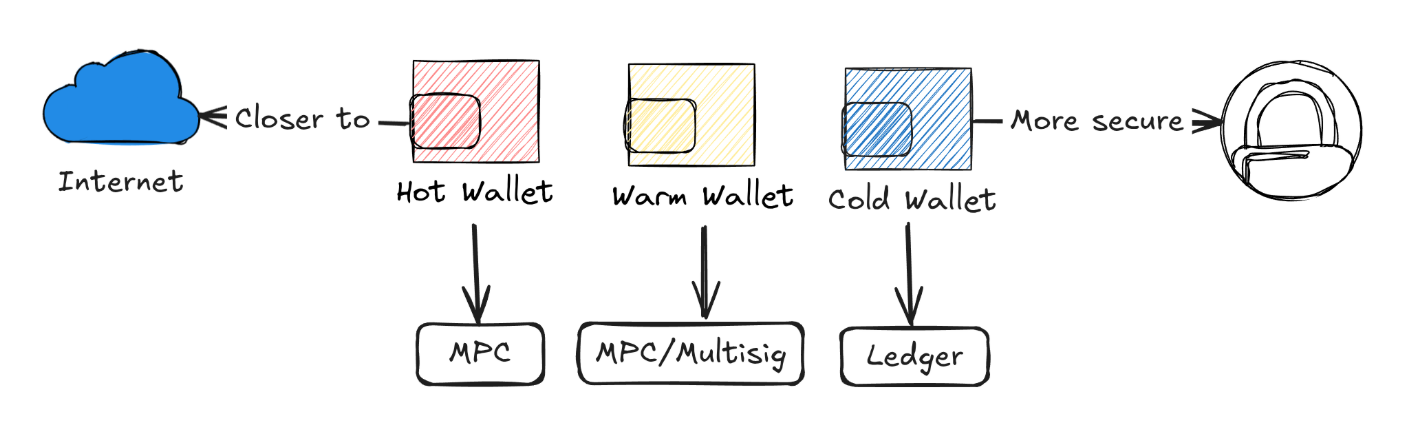
Fystack’s unified APIs and SDKs allow teams to integrate wallet infrastructure, treasury management, automated workflows, and compliance features without a large DevOps or crypto-native team. By addressing infrastructure bottlenecks, Fystack directly improves onboarding, activation, conversion, and user retention-the very pain points that define the Growth Ceiling.
When enterprises should adopt Fystack:
- Stablecoin payments, on-chain loyalty, RWA tokenization, or crypto-enabled services.
- Anticipated growth or high transaction volume without a large in-house DevOps team.
- Requirements for secure custody, compliance, audit trails, multi-sig workflows, and multi-chain support.
- Need for fast market launch without waiting months for internal infrastructure.
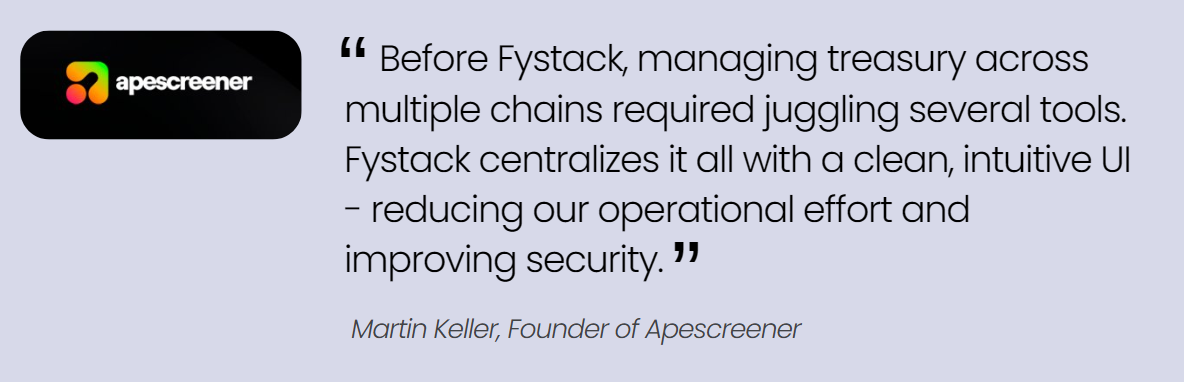
In Web3, delayed infrastructure fixes are expensive. The earlier a company addresses infra bottlenecks, the faster it can scale, and the more predictable user growth becomes.
If you are deciding between a SaaS solution or a self-hosted infrastructure for your enterprise, read Fystack vs Fireblocks - Self‑Hosted vs SaaS. It helps clarify which approach scales better, reduces risk, and supports rapid user growth
Key Takeaways
- Growth Ceiling exists: Without proper Web3 infrastructure, even the best content, marketing campaigns, or user acquisition strategies will hit an invisible barrier.
- On-chain UX is critical: Every delay in wallet connection, signature, or transaction reduces retention and conversion. Optimizing onboarding and activation is essential.
- Content drives traffic, infrastructure drives conversion: Viral campaigns only matter if the underlying infrastructure can handle high volume without failures.
- Web2 growth frameworks do not automatically translate to Web3: Blockchain transactions, gas, multi-chain flows, and key management require a different approach.
- Invest early in enterprise-grade wallet infrastructure: MPC wallets, multi-chain support, and ready-to-use APIs reduce time-to-market, save costs, and provide security.
- Fystack is a plug-and-play solution for enterprises: It enables rapid deployment of secure Web3 products, automatic scaling, real-time on-chain data, and enterprise-grade compliance, without needing a large in-house DevOps or crypto team.
- Focus resources on product and growth: When infrastructure is no longer a bottleneck, enterprises can scale at the speed the Web3 market demands rather than the speed their backend allows.
Conclusion
Companies can no longer afford to treat infrastructure as an afterthought. Whether launching stablecoin payments, on-chain loyalty programs, RWA tokenization, or other Web3 products, the ability to scale safely, reliably, and quickly depends on having the right foundation.
With Fystack’s MPC wallet infrastructure, enterprises can remove bottlenecks, accelerate time-to-market, reduce operational risks, and focus on what truly drives value: product development, user experience, and market adoption.
If you care about security, compliance, and reliability in Web3 operations:
👉 Try Fystack today: https://app.fystack.io
👉 Join our Telegram community for web3 security updates, engineering insights & product updates: https://t.me/+9AtC0z8sS79iZjFl