Fystack Joins Circle Alliance to Scale Self-Custodial USDC Payments for Global Businesses

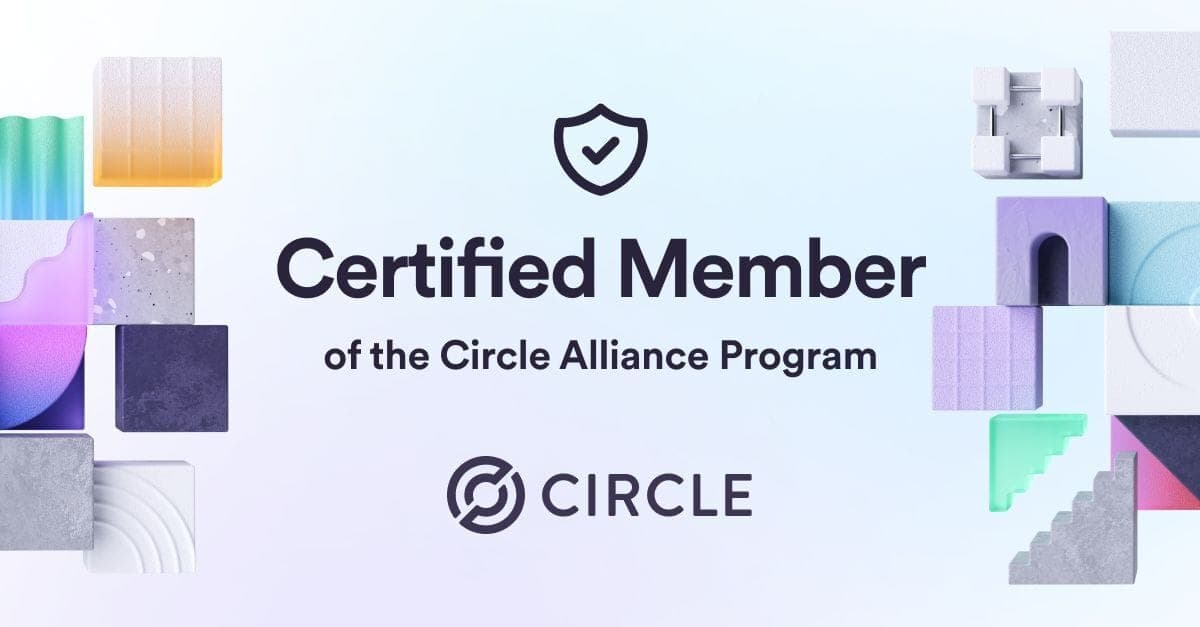
We has officially joined the Circle Alliance Program by Circle, a global network of teams building real-world USDC payment and infrastructure use cases.
We’re building stablecoin custody infrastructure that helps businesses automate workflows across multiple chains, powered by MPC technology.
This is a step toward connecting secure self-custody with scalable USDC payment infrastructure.

While the Alliance Program focuses on ecosystem collaboration, many teams ask how this impacts real-world infrastructure design and deployment.
Below are some of the most common questions we receive.
Frequently Asked Questions
What changes after Fystack joins the Circle Alliance Program?
Previously, businesses often had to choose between self-hosting their infrastructure for full control or integrating with global payment rails for scale.
By joining the Circle Alliance Program, Fystack removes this trade-off. You can now operate on self-hosted MPC infrastructure while connecting directly to global USDC payment networks.
How does this improve access to global USDC payment networks?
Fystack infrastructure is now aligned with Circle’s ecosystem, enabling connectivity to global USDC payment flows and enterprise-grade partners such as SAP, Visa, and BlackRock.
This reduces integration complexity and risk when building payment systems that need to operate across regions and at scale.
Do businesses still retain full control of their assets?
Yes. Fystack remains fully self-hosted, using MPC (N-of-M) key management. Businesses retain complete ownership of private keys and do not rely on third-party custodians.
This ensures that control, security, and governance stay within your infrastructure.
How does Fystack support scalable payment operations?
Fystack provides programmable wallet infrastructure accessible via REST APIs, allowing businesses to manage large-scale wallet operations and automate USDC payment flows across multiple chains.
This is particularly important for cross-border payments, where reliability, speed, and operational efficiency are critical.
What types of businesses benefit the most from this?
Fintech platforms, payment providers, and enterprises handling high-volume or cross-border transactions benefit the most. These teams require both direct access to global payment networks and full control over their infrastructure.
What does this mean for infrastructure design going forward?
Businesses no longer need to compromise between control and connectivity. Infrastructure can now be designed with self-custody at the core, while still integrating directly with global USDC payment rails.
This enables a more scalable and future-proof approach to building real-world payment systems on-chain.
You can explore the MPC architecture and technical components in more detail on Fystack’s GitHub.
If you're building in payments or on-chain infrastructure, the Fystack team is open to technical discussions and implementation conversations here.